

Magnetic Outrigger Pads
Set It Once.
It Moves With the Crane.
Every time the crane repositions, someone picks up four pads and sets them back down. The magnetic option keeps each pad attached to the outrigger, so your crew handles pads at setup and at teardown, and not at every move in between.
The Safest Lift Is the One You Don’t Have to Make
-
Attach at setup
Place the pad under the outrigger like you always do. Embedded magnets hold it to the jack or float.
-
Move with the crane
When the outrigger retracts, the pad comes up with it and rides along to the next position. Nobody has to bend down and carry it.
-
Release with your foot
When the job’s done, retract the jack and apply downward foot pressure to the pad. It drops right off.
Biggest payoff on bigger pads. The heavier the pad, the more every skipped lift is worth to your crew.
How Much Lifting Could Your Crew Skip?
Without the magnetic option, your crew handles every pad each time the crane moves. With it, pads only come off the truck in the morning and go back on at the end of the day. Pick a pad and see the difference.
One R48-2 pad weighs 120.2 lb. Your crew lifts 4 of them, 481 lb, every time the pads are handled.
That’s 2,885 lb less lifting a day for your crew (75% less), and 14,424 lb over a 5-day week.
Pounds lifted by hand per crane, per day. Weights shown are for Premium UHMW pads. Each pad is handled once coming off the truck, once at every move, and once going back on the truck. With the magnetic option, the pad rides with the outrigger between moves.
Fewer Lifts, Fewer Injuries, Less Wasted Time
Manual pad handling is one of the most repeated lifts on a jobsite, and it happens at ground level. Cutting it down to setup and teardown protects your crew’s backs and frees them up for work that actually moves the job forward.
Safer Crews
Fewer heavy lifts per day means less strain and a lower NIOSH lifting index.
Faster Moves
No stopping to reset pads every time the crane repositions.
Lower Insurance Costs
Fewer injuries can improve your Experience Modification Rate (EMR) and your workers’ comp premiums.
Simple Release
Downward foot pressure is all it takes. No tools, no prying.
Watch the Magnetic Pad in Action
Add It to Any Raptor Tech UHMW Pad
The magnetic option is available on every model in all three lines. Pick the pad that fits your crew, then check “Add Magnetic Option” when you add it to your quote.
Premium
Ergonomic through-hole handles and a removable lifting lanyard rated to 1,900 lb.
View Premium padsNonmagnetic Float? We’ve Got You Covered.
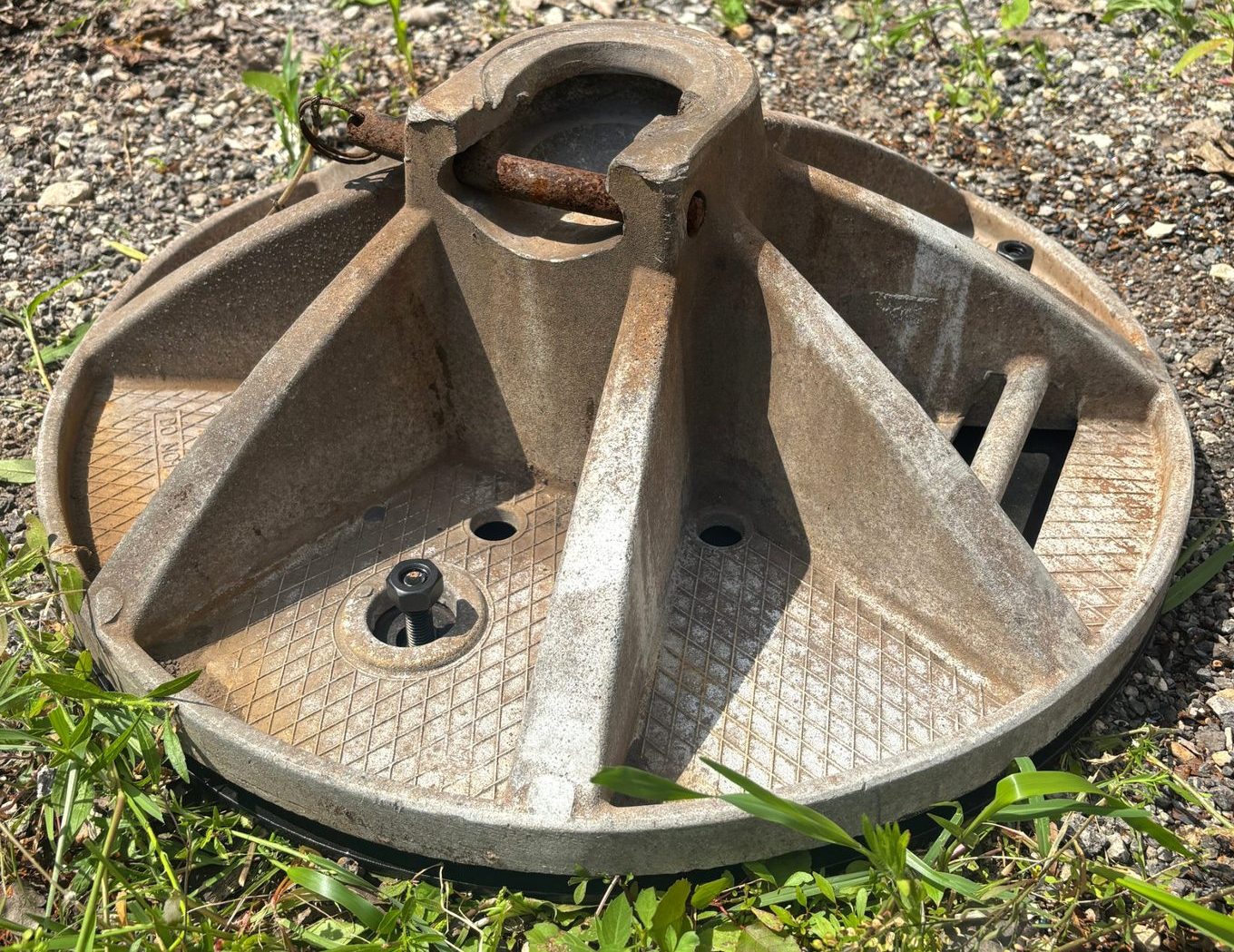
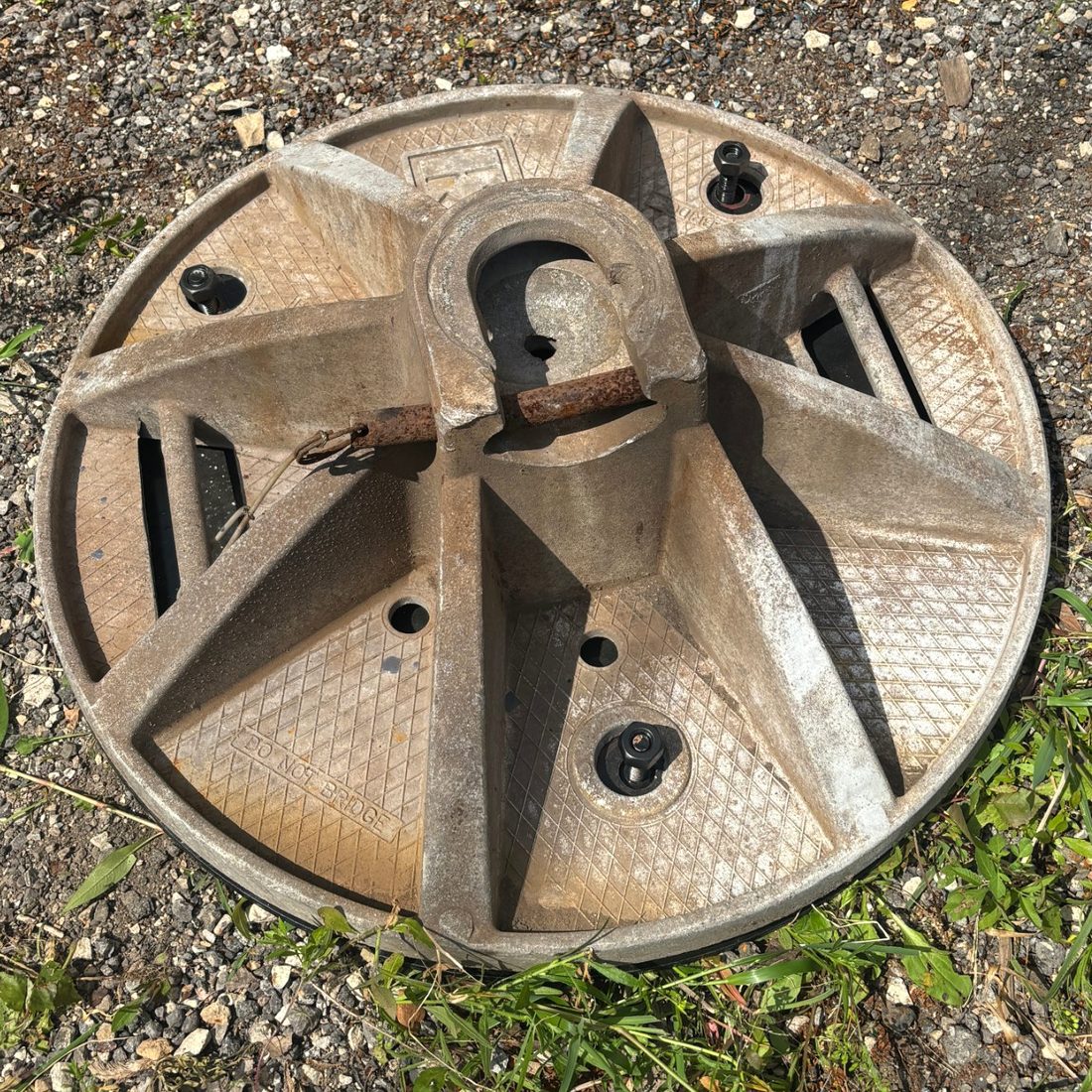
If your outrigger float or jack is aluminum or another nonmagnetic material, our adaptor plate attaches to it and gives the pad something to hold onto.
Just let us know your float material when you request a quote and we’ll make sure you get the right setup.
Get a Quote on Magnetic Pads
Tell us about your crane and the pads you need, and we’ll put together the right magnetic setup for your fleet.
Crane make and model
Pad line and size (Standard, Premium, or Area Plus)
Quantity
Float material (steel or aluminum)